Practical Nurse vs. Surgical Technician: Which Healthcare Career Is Right for You?
Everybody who decides to go into healthcare eventually has to face the same questions: what position imitates the picture he has in his mind about how he would like to spend his working day?
When it comes to hands-on medical training in Michigan, the two most common options to apply for are Practical Nurse training and Surgical Technology. Both helps to secure a stable position in the healthcare sector, offers direct patient care experience and allows applying knowledge quickly.
However, despite the apparent similarities, the two jobs vary considerably in practice, and the training approach is absolutely different.
Let's have a closer look at their practices and compare the training path required for each career.
What Does a Licensed Practical Nurse Do?
A Licensed Practical Nurse (LPN) works under the supervision of physicians and Registered Nurses to provide direct patient care.
Core Responsibilities
Among various functions that an LPN carries out during the working day are: monitoring the vital signs of patients, administering medications, assisting patients in bathing or dressing, keeping patient records, and notifying about potential changes in their condition.
LPNs perform their job as they are observant and have good communication skills.
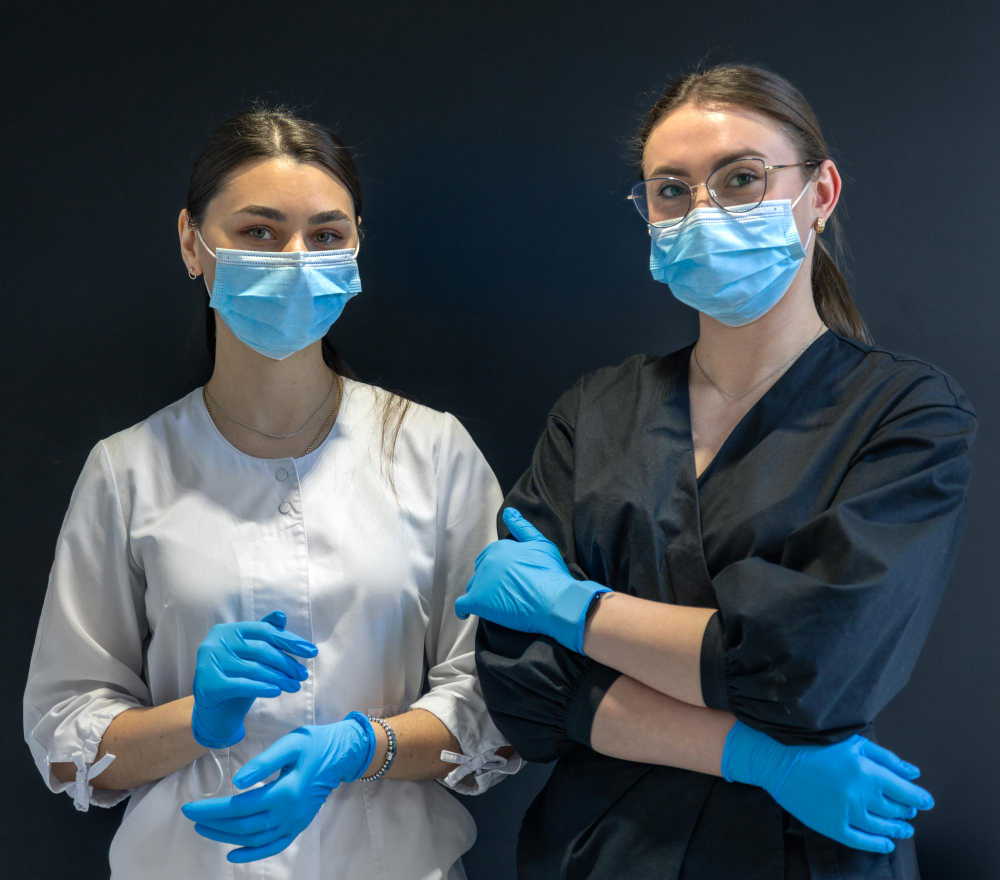
Where Do Practical Nurses Work?
LPNs work in a variety of settings: nursing homes, long-term care facilities, doctor's offices, home health, and hospitals. That range gives new nurses some room to choose a pace that suits them, whether that's the constant motion of a hospital unit or the more predictable rhythm of long-term care.
What Does a Surgical Technician Do?
A Surgical Technologist works in the operating room, getting equipment and the space itself ready for procedures and assisting the surgical team while the operation is underway.
Core Responsibilities
The job centers on sterilizing instruments, laying out surgical equipment, keeping the sterile field intact throughout the procedure, and passing instruments to the surgeon at the right moment. Precision and adherence to protocols are essential in this role. Successful surgical technologists are detail-oriented, organized, and able to work effectively under pressure.
Surgical Techs don't have the same range of settings that LPNs do. Most of the work happens in hospital operating rooms, outpatient surgical centers, or clinics that perform procedures. It is a more specialized career path, but it comes with a routine that's more consistent from one day to the next.
Comparing Training and Program Length
These careers both have unique training programs, but the licensing and certification process is somewhat different for each career path.
Practical Nurse Program in Michigan
The Practical Nursing Program in Michigan involves classroom learning with clinical rotation experience for students. The curriculum includes anatomy and physiology classes, pharmacology, and basic nursing principles, followed by clinical training through rotations in various care settings. Duration for most nursing programs is about twelve to eighteen months depending on whether students learn full time or part time.
Students must take the NCLEX-PN examination before being able to practice as licensed LPNs.
Surgical Technology Education
Education in Surgical Technology follows the format of classroom learning supplemented with clinical rotation experience. The program has surgery-based courses like surgical procedures, aseptic techniques, surgical instrumentation and operating room procedures among others. Abcott Institute offers a Surgical Technology program that is supposed to last 12 to 14 months.
Certification requirements depend on individual employers and state regulations; however, many hospitals prefer nationally certified Surgical Technologists.
Practical Nurse vs Surgical Technician: Key Differences
Both careers sit under the healthcare umbrella, but a few differences separate them:
Patient Interaction
LPNs spend a shift building rapport with patients through repeated, direct contact. Surgical Techs interact with patients only briefly, right before and during a procedure, with most of their attention on the surgical team and the equipment rather than conversation.
Pace and Environment
Practical nursing refers to the onslaught of patients with disparate needs, which requires significant accommodation. Although surgical technology has its own sequence of steps performed for each surgical operation, the progression is much more straightforward.
Going forward in your career
Both careers can set in motion a chain of various educational pursuits. It is not uncommon for licensed practical nurses to pursue bridging programs to attain a registered nurse qualification and thus increase their professional capabilities. Surgical technologists may also advance into surgical assisting or specialize in certain branches of surgery.
Selection of career
Ultimately, it boils down to your preferred environment and level of responsibility. If you find it more satisfying to work with people and perform some practical tasks, you may opt for the first profession. On the other hand, if you see yourself performing technical operations in a surgery room, you might choose the latter career option.
In either case, it guarantees you a decent opportunity to work in healthcare.
Start Your Healthcare Career Journey
Whether it involves providing direct medical assistance as a Practical Nurse or helping a surgical team as a Surgical Technician, the course behind either career is important.
Abcott Institute provides courses related to Practical Nursing and Surgical Technology in Michigan, which is based on everyday work schedules and prepares students for getting licenses or certificates, and pursuing a stable profession.
Contact Abcott Institute to learn more about the courses, their requirements, and initiation procedure.
Frequently Asked Questions
In terms of admission, is Practical Nursing or Surgical Technology easier?
Admittance to both fields requires a high school diploma or equivalent as well as the successful completion of an accredited program, so it depends on an individual’s preferences.
How many months are usually needed to complete the Practical Nurse program in Michigan?
The program varies between twelve and eighteen months based on whether one is attending school full-time or part-time. This period includes both classes as well as an in-field placement.
Is a license required for a Surgical Technician?
Depending on the state, requirements for a license differ but many employers prefer to hire certified professionals in order to ensure that individuals possess all necessary qualifications to work in the operating room.
Which profession provides better opportunities for career development, Practical Nurse or Surgical Technician?
In both cases, there are opportunities for career growth. For example, Licensed Practical Nurse professionals may be able to gain their Registered Nurse title by completing a bridging program while Surgical Technicians have a chance to assist with surgeries.
Can I switch from Surgical Technology to Practical Nursing, or vice versa?
Yes, though it typically means going through additional coursework and clinical training tied to the new role. Some earlier coursework, like anatomy and physiology, may carry over and cut down on how long the new program takes.